)
)
From Tulips to Tourism: Why Flower Farming is Blooming as a Diversification Opportunity
)
From pick-your-own flower fields and seasonal festivals to wedding floristry and artisan bouquets, flower farming offers farmers the chance to create multiple income streams while making the most of their land, creativity and connection to the countryside.
The growing appetite for British-grown flowers was recently showcased at the prestigious Chelsea Flower Show, where a collective of UK flower growers received a silver-gilt award for their stunning display celebrating British cut flowers. The centrepiece, created by members of Flowers from the Farm, highlighted the beauty, diversity and sustainability of locally grown blooms.
Among the growers featured was Herefordshire flower farmer Rozanne Delamore, founder of Ledbury Flower Farmer, who used the platform to champion the value of British-grown flowers and the role they can play in supporting rural economies and biodiversity. The display featured unusual floral combinations and a “living showcase” of what can be grown in the UK during spring, attracting huge public interest throughout the show.
Speaking after the event, Ms Delamore described the stand as a “huge team effort”, with flowers supplied by growers from across the country. More importantly, the display opened up conversations with consumers about where flowers come from, how they are grown, and the environmental benefits of buying British.
That shift in consumer mindset is creating real opportunities for farmers looking to diversify. Much like farm shops and pick-your-own fruit enterprises, flower farming taps into growing public demand for local, seasonal and experience-led purchases. Visitors are increasingly seeking wholesome countryside experiences, whether that is walking through colourful flower fields, attending workshops, or simply reconnecting with nature.
For many farms, flower farming also lends itself naturally to agritourism. Across social media, tulip fields, sunflower trails and wildflower meadows have become highly shareable visitor attractions, helping farms attract younger audiences and day-trippers looking for visually immersive experiences. Seasonal flower events can generate significant footfall, while adding value through cafés, retail, photography sessions and on-site events.
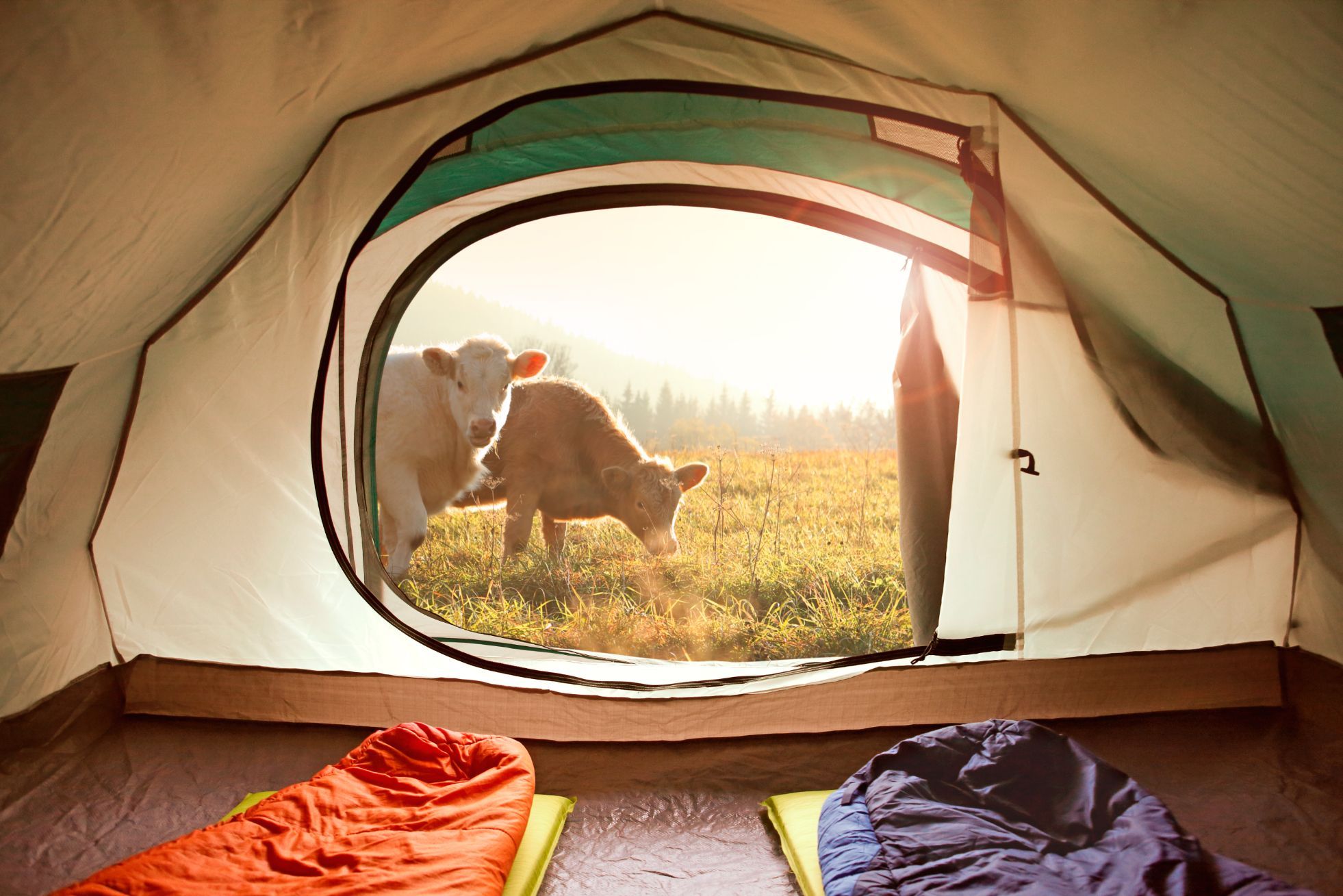
Importantly, flower farming does not always require vast acreage to be successful. Smaller plots of land can often generate strong returns through direct sales, weddings, subscription bouquets and farmers’ markets. It can also complement existing diversification ventures such as glamping, farm cafés, wedding venues and holiday accommodation by enhancing the visitor experience and creating additional reasons to visit throughout the year.
Sustainability is another major driver behind the sector’s growth. British-grown flowers typically have fewer air miles than imported alternatives and are often grown within mixed agro-ecological systems that support pollinators and wider biodiversity. This increasing awareness around provenance and sustainability is helping drive demand for locally grown blooms across both retail and events industries.
However, like any diversification project, success requires careful planning. Farmers considering floriculture need to research local demand, understand seasonal labour requirements, consider irrigation and soil suitability, and think strategically about how flowers could integrate into wider visitor experiences or retail opportunities. Branding, marketing and social media also play a significant role in attracting customers, particularly for experience-led flower attractions.
As diversification continues to evolve across the agricultural sector, flower farming represents an exciting example of how farmers can combine agriculture, tourism and direct sales to create memorable experiences and sustainable revenue streams.
Visitors looking to explore opportunities in agritourism, experiential farming and direct-to-consumer diversification can discover practical advice, supplier solutions and real-life case studies at the Farm Business Innovation Show. Taking place at the NEC Birmingham on 4–5 November 2026, the event brings together farmers, landowners and rural entrepreneurs looking to future-proof their businesses and unlock new opportunities from the land they already own.